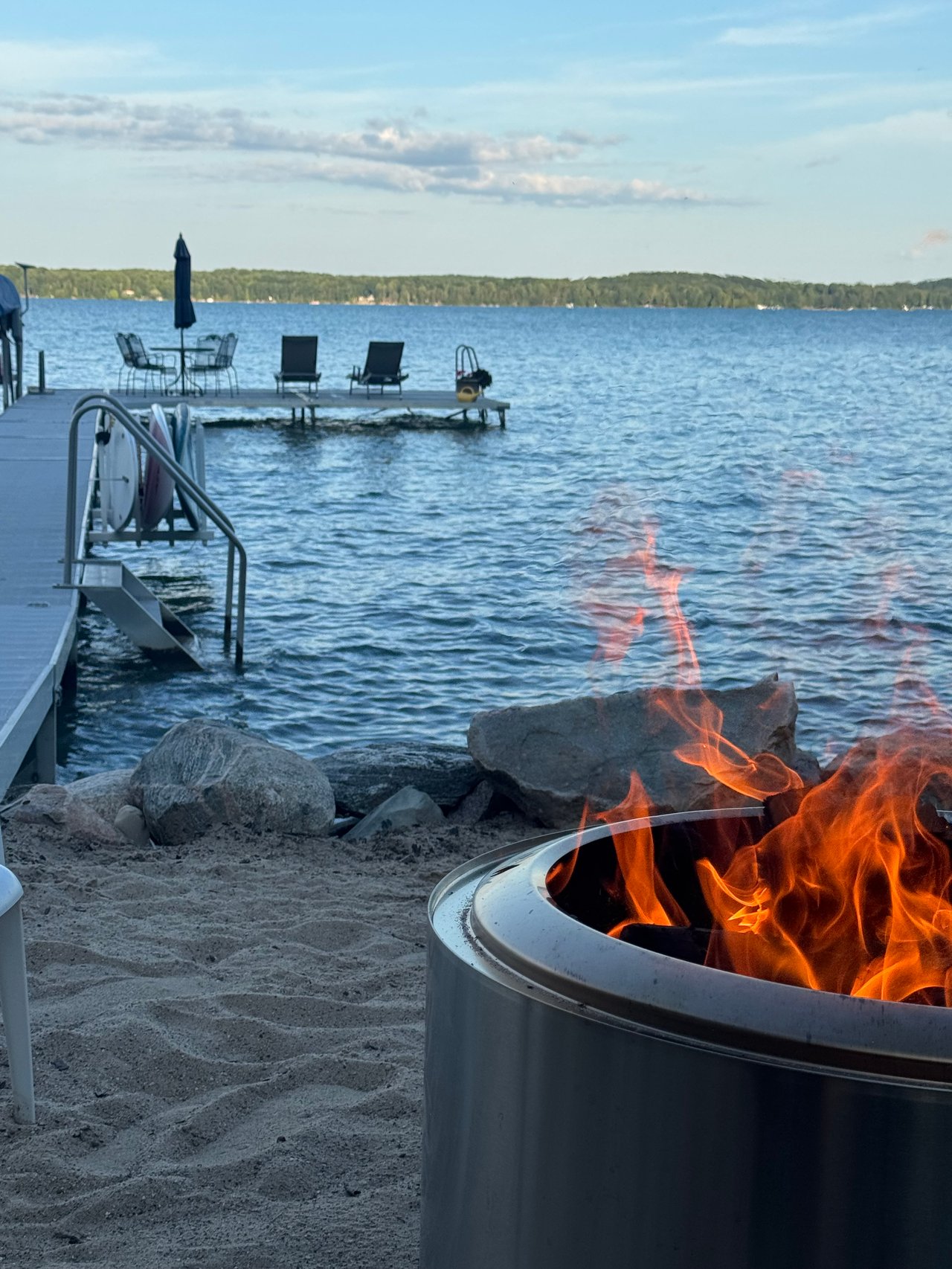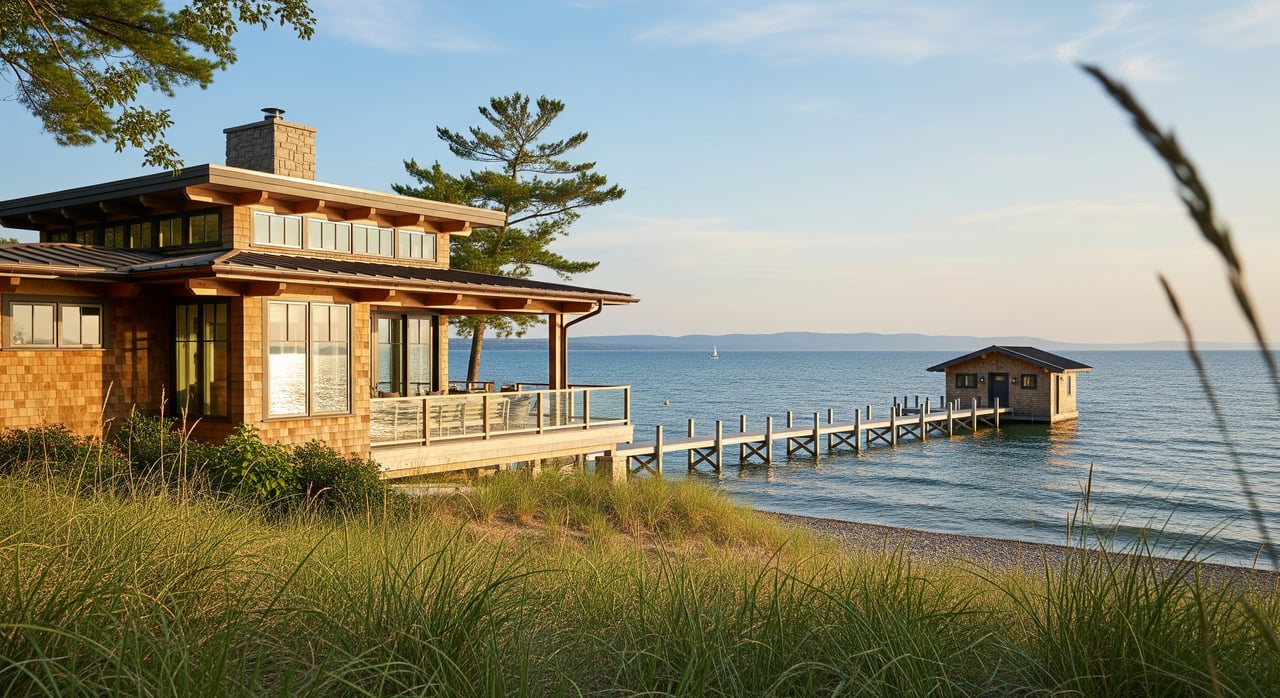
Picture this: your dream cottage hits the market in Glen Arbor right as summer buyers roll into Leelanau County. You know it will attract multiple offers, but you also want protection if a well, septic, or shoreline issue pops up. You are not alone. Many buyers struggle to balance a strong offer with smart safeguards. This guide breaks down the key contingencies that matter in Glen Arbor and how to tailor timelines, appraisal gap coverage, and escalation strategies so you compete with confidence. Let’s dive in.
What contingencies do for you
Contingencies are your contract safety nets. They let you inspect the property, verify financing, and confirm value before you fully commit. If something material changes or a condition is not met, you can negotiate or step back without risking your earnest money. In a small, seasonal market like Glen Arbor, contingencies are especially important because inventory is tight, many homes are unique, and utilities are often private.
A thoughtful contingency plan does two things at once. It protects you from costly surprises and communicates to the seller that you are prepared and serious. The goal is to keep protections that matter most in northern Michigan while tightening timelines and terms so your offer stands out.
Inspection contingency in Glen Arbor
An inspection contingency gives you a set period to complete inspections, review findings, and request repairs, credits, or a price adjustment. If the issues are significant and you cannot reach agreement, you can cancel within the contingency window. Typical inspections include general home, pest, chimney, HVAC, and structural reviews. In Glen Arbor, it is wise to go deeper.
Many properties rely on private wells and septic systems, and some lakefront parcels bring shoreline and erosion considerations. Older cottages or seasonal homes may have deferred maintenance or be marketed as “as‑is.” You can still include an inspection contingency on an “as‑is” listing. It usually limits the seller’s obligation to repair, but it does not remove your right to inspect and cancel under the contingency terms unless you waive it.
In competitive situations, you can make your inspection clause more appealing without giving up critical protections. Consider shortening the inspection period to 5 to 7 days, narrowing the scope to what matters most, or setting a repair credit cap that limits renegotiation friction. Just remember the trade‑off: every limit adds risk.
Septic and well specifics
Septic and well due diligence are essential in Leelanau County. Build a separate septic inspection clause that allows a certified inspector to access the system, perform dye tests if appropriate, and review maintenance records. For wells, include a water quality testing contingency for potability and a flow test if you plan full‑time occupancy.
Also confirm whether the county health department has any transfer or compliance requirements you should meet before closing. Because rural utilities are central to habitability and future costs, protecting this part of your offer can save you time and money later.
Shoreline and riparian checks
Lakefront and riparian parcels along Lake Michigan or inland lakes require careful review. Add a contingency to evaluate shoreline permits, erosion controls such as riprap, and dune or setback restrictions. Review zoning and permitting history so you understand what improvements are allowed. If you plan any waterfront changes, you will want to confirm prior approvals and the feasibility of future work during your due diligence window.
Appraisal contingency and gap coverage
An appraisal contingency protects you if the lender’s appraised value comes in below the contract price. In that case, you typically have a window to renegotiate, contribute extra cash, or cancel. In Glen Arbor, appraisals can be challenging because the market is seasonal, comparables are limited, and unique lakefront amenities can be hard to quantify.
To stay competitive, some buyers add a clear appraisal gap guarantee that commits to covering a specific shortfall amount above the appraised value. Others keep the contingency but set a short cure window of 3 to 5 days to reassure the seller you will act quickly. You can waive the appraisal contingency entirely only if you are prepared to cover a shortfall with cash or have a lender arrangement that makes you comfortable with the risk.
Writing a clear gap clause
If you include gap coverage, be precise. State the maximum dollar amount you will contribute above the appraised value, how the difference will be funded, and whether the lender’s final approval is required. Clarify whether the gap applies to the net price after credits or the gross price. This clarity helps the seller compare offers and reduces back‑and‑forth if the appraisal comes in low.
Financing contingency and timing
A financing contingency protects your earnest money if you cannot secure a loan commitment on acceptable terms by a stated deadline. There is a difference between a pre‑approval and a loan commitment. A strong pre‑approval shows you are qualified; a commitment from underwriting is stronger and gives sellers confidence.
In northern Michigan’s busy season, sellers often favor buyers with conventional financing strength or cash. You can still compete with financing by pairing a robust pre‑approval with tighter timelines. For example, set a 10 to 14 day financing contingency if your lender can move quickly, provide lender contact details with your offer, and be ready to respond to documentation requests right away.
Strengthen your position without overexposure
- Share your lender’s contact information with the offer so the listing agent can verify strength.
- Ask your lender for conditional approval before you write.
- Shorten the financing contingency only if your lender confirms they can meet the deadline.
- Avoid waiving the financing contingency unless you are paying cash or hold an unconditional approval.
Escalation clauses and alternatives
An escalation clause automatically increases your price by a set increment above a competing bona fide offer, up to a cap. It can be effective when multiple similar offers are expected and you want to stay in the game without guessing your top number at the outset. The catch is that it may reveal your ceiling and can complicate appraisal or loan‑to‑value ratios if the price runs up.
If you use an escalator, specify the increment, the cap, and the proof required to trigger it, typically a copy of the competing offer with personal information redacted. Decide whether escalation applies to net price after credits or the gross price. If you prefer simplicity, submit your best clean offer without an escalator and let the numbers speak for themselves.
Alternatives or complements to escalation include larger earnest money, shorter contingency periods, appraisal gap coverage, and flexible closing or occupancy terms. You can also offer non‑monetary perks, such as covering certain closing costs, if they fit your strategy.
Smart timelines for Glen Arbor offers
Every offer should match the property, season, and team capacity. Here are practical starting points you can tailor with your lender and inspector availability.
Balanced market timelines
- Inspection period: 10 to 14 days.
- Financing contingency: 21 to 30 days, aligned with your lender’s commitment schedule.
- Appraisal: allow a 7 to 10 day cure window after the appraisal result.
- Earnest money: standard local amounts, per listing agent expectations.
Competitive or multiple‑offer timelines
- Inspection period: 5 to 7 days, with inspections scheduled immediately after acceptance.
- Financing contingency: 10 to 14 days if you hold conditional approval; otherwise keep standard timing and deliver documents fast.
- Appraisal cure window: 3 to 5 days; pair with appraisal gap coverage if you can absorb risk.
- Earnest money: higher than typical to signal commitment, subject to contract refund terms.
- Closing and occupancy: match the seller’s preferred dates and consider rent‑back if needed.
All‑cash or very strong financing
- Waive the financing contingency only with cash or unconditional proof.
- Keep a short inspection contingency focused on major systems, or pursue a pre‑offer inspection with seller cooperation.
- Appraisal is usually not required, but you may order an independent valuation for your own peace of mind.
Extra local due diligence to include
Beyond the core three contingencies, Glen Arbor buyers benefit from a few local‑specific reviews. Add these to your offer as separate contingencies or explicit inspection rights.
- Septic system: allow a certified inspection, dye test if appropriate, and review of maintenance records; check for any county transfer requirements.
- Private wells: include potability and flow tests; verify for bacteria, nitrates, and other common local concerns.
- Shoreline and erosion: review shoreline permits, riprap, dune setbacks, and zoning limits for waterfront work.
- Road and access: confirm year‑round access, shared driveway terms, private road maintenance agreements, and any association covenants.
- Floodplain and insurance: check FEMA mapping and confirm your ability to obtain homeowner and, if needed, flood insurance.
- Zoning and use: verify township or county rules for short‑term rentals and any registration steps if rental income is part of your plan.
- Title, easements, and mineral rights: include a thorough title review with attention to recorded easements, ingress/egress, deed restrictions, conservation easements, and mineral rights.
A simple prep checklist
Use this quick checklist to keep your offer organized and timely.
- Pre‑offer: secure a strong pre‑approval or conditional approval, line up inspectors who can work quickly, and gather proof of funds for earnest money and any potential appraisal gap.
- Offer packet: include your pre‑approval, proof of funds, earnest money details, proposed closing date, and clearly written inspection, appraisal, and financing contingencies.
- Inspection details: specify well and septic testing, who pays for pumping or dye tests if needed, and your inspection period length.
- Appraisal plan: choose a short cure window or a defined appraisal gap amount; confirm with your lender how any gap will be funded.
- Financing timeline: state your contingency days and your lender’s name and contact information.
- After acceptance: schedule inspections immediately, keep lender documentation moving, and track every contingency deadline so you can act before time expires.
Final thoughts
In Glen Arbor, the best offers feel confident and fair. They protect you from the most likely local risks while showing sellers you can close on time with minimal drama. The right combination of inspection focus, clear appraisal planning, and crisp financing timelines can make all the difference in a multiple‑offer moment.
If you would like a local strategy session tailored to a specific cottage, lakefront, or in‑town home, reach out to Theodoran Realty. We pair boutique, hands‑on guidance with deep northern Michigan expertise and the marketing reach of Century 21 Northland. For help crafting a competitive, well‑protected offer in Glen Arbor, connect with Amanda Theodoran.
FAQs
What is an inspection contingency in Michigan?
- It is a contract clause that gives you a set number of days to complete inspections, request repairs or credits, or cancel if significant issues are discovered within the agreed period.
How do appraisal gaps work in Glen Arbor offers?
- You commit to covering a stated dollar amount above the appraised value if the appraisal is low, up to a cap, which helps your offer compete in a market with limited comparable sales.
Can I waive contingencies safely as a buyer?
- You can, but it increases risk; only consider waiving or shortening protections if you understand the trade‑offs and have strong evidence your financing and property condition will hold.
What should I test for with a private well and septic?
- Order a septic inspection that may include access and dye testing, and a well test for potability and flow, verifying bacteria, nitrates, and other local water quality concerns.
How fast should my contingency deadlines be in peak season?
- Many competitive Glen Arbor offers use 5 to 7 days for inspections, 10 to 14 days for financing with strong pre‑approval, and a 3 to 5 day cure window for any appraisal shortfall.
Are short‑term rentals allowed in Glen Arbor?
- Rules vary by township and county; include a contingency to verify short‑term rental regulations and any registration requirements before you rely on potential rental income.